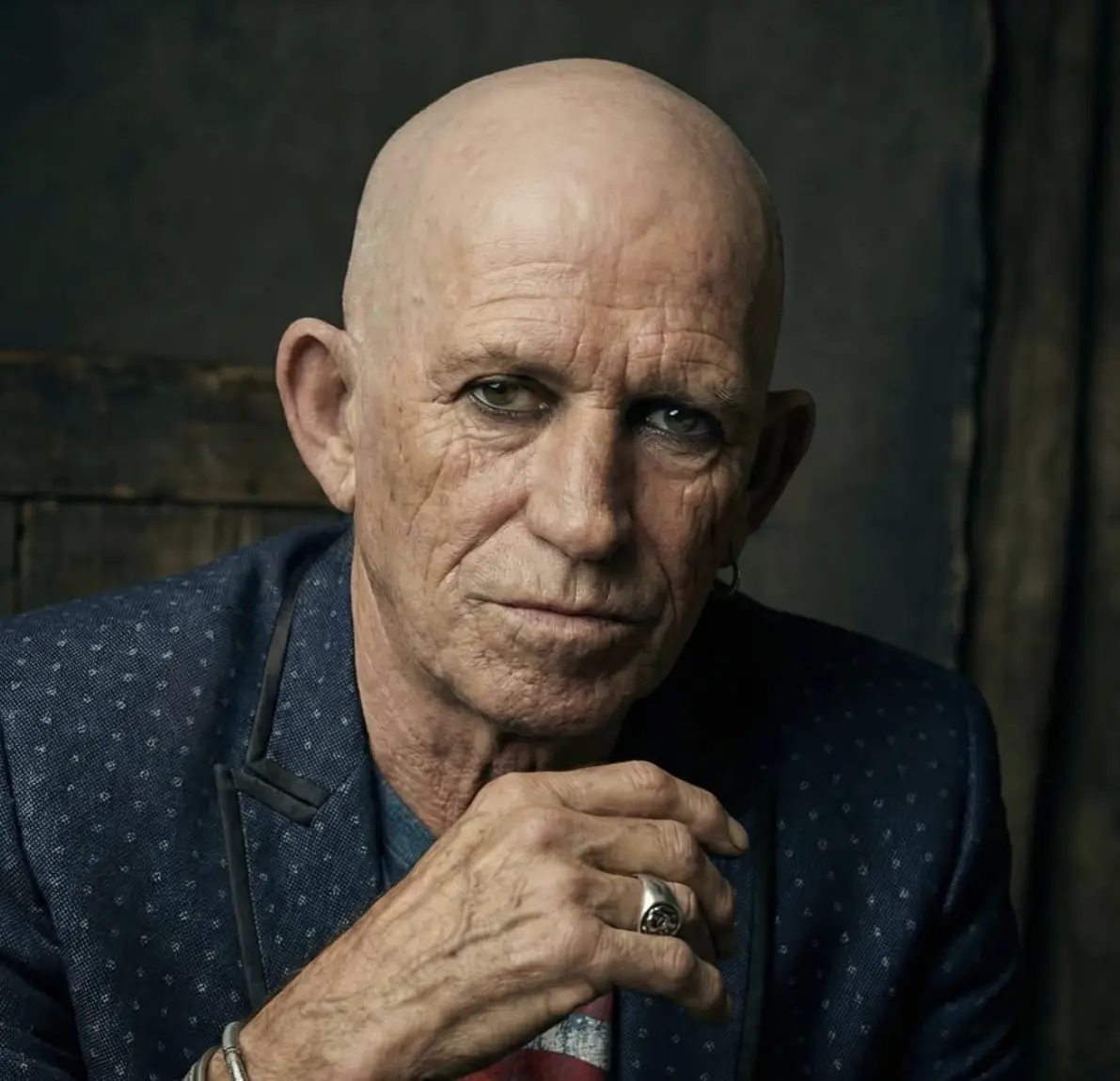
🚨🎸 KEITH RICHARDS “CANCELS” NYC 2025 DATES — A VIRAL CLAIM IGNITES A CULTURE-WAR FIRESTORM
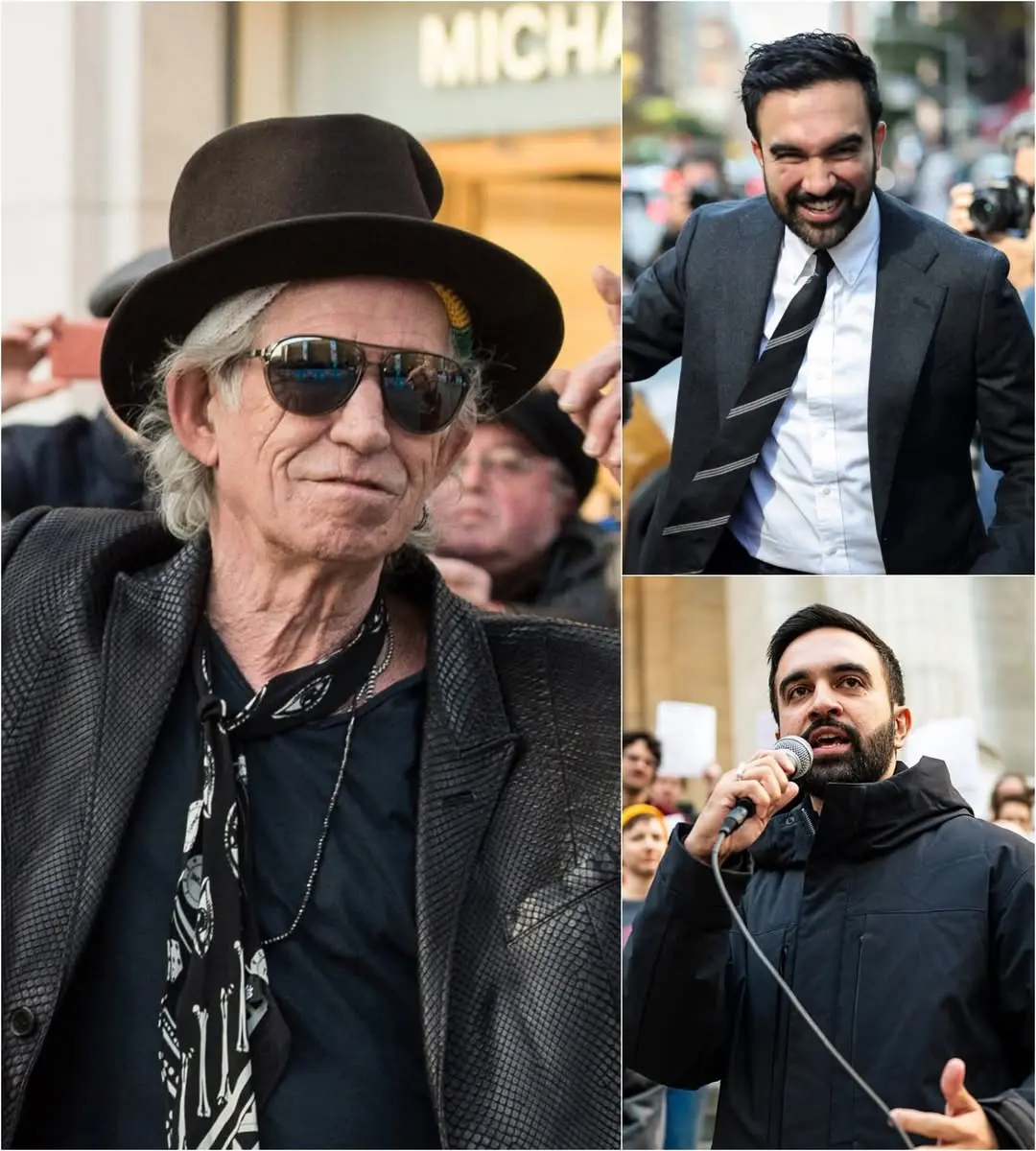
The internet lit up like a blown amp at midnight.
A headline tore through social feeds with all the force of a power chord: Keith Richards has canceled all 2025 New York City tour dates. Then came the line that detonated everything—raw, provocative, and instantly polarizing. A quote attributed to the Rolling Stones legend spread at lightning speed, igniting cheers, fury, disbelief, and memes in equal measure.
“Sorry NYC, but I don’t sing for commies.”
Within minutes, the story metastasized. Screenshots multiplied. Hashtags trended. Comment sections hardened into battlegrounds. Supporters hailed it as fearless defiance. Critics condemned it as reckless provocation. Everyone, it seemed, had an opinion—before anyone had confirmation.

This was not a slow news day. This was a cultural flashpoint.
According to the viral posts, Richards had abruptly pulled the plug on every New York City appearance slated for 2025, delivering the message via social media with trademark bluntness. The phrasing—short, confrontational, unmistakably combustible—felt engineered for maximum impact. And impact it had. By sunrise, the claim had crossed borders, languages, and timelines.
But almost as quickly as the outrage and applause erupted, questions followed.
Where did the statement come from?
Which account posted it?
Was there an official confirmation from Richards, his management, or the Stones’ camp?
As of this writing, no verified announcement confirming the cancellation or the quote has been issued through official channels. Yet the absence of confirmation did nothing to slow the reaction. The narrative had already taken on a life of its own.
For some fans, the claim resonated with a version of Keith Richards they believed they knew: the unapologetic iconoclast, the man who never played by anyone’s rules, least of all political ones. To them, the quote sounded like rock-and-roll refusal distilled into a single incendiary sentence. They flooded platforms with guitar emojis, American flags, and declarations of loyalty.
“This is what authenticity looks like,” one widely shared comment read. “He doesn’t owe anyone compliance.”
Others recoiled just as fiercely.
Musicians, activists, and longtime fans pushed back, arguing that the language—whether real or not—felt corrosive and dismissive, especially in a city that has long been a crucible for art, diversity, and dissent. “New York made rock legends,” one post countered. “Rock doesn’t exist without cities like NYC.”
The debate widened, fast.
Cable pundits weighed in. Culture writers dissected the rhetoric. Armchair historians pulled quotes from Richards’ past interviews, searching for precedent or contradiction. Some insisted the statement fit a pattern of blunt honesty. Others argued it clashed entirely with Richards’ long history of anti-authoritarian, countercultural ethos.
And hovering over all of it was the central uncertainty: did he actually say it?
In the modern media ecosystem, the line between announcement and allegation is perilously thin. A viral graphic can masquerade as a statement. A parody account can pass for official. A single sentence, detached from context, can become a referendum on identity.
Yet even as doubts mounted, the moment hardened into something larger than verification.
This wasn’t just about tour dates. It was about symbolism.
New York City, long mythologized as the beating heart of American music and protest, became the stand-in for a broader cultural divide. Keith Richards—alive, legendary, and perpetually defiant—became the avatar. Whether he authorized the words or not, the story exposed how hungry the moment is for confrontation, how quickly art is conscripted into ideological war.
Industry insiders urged caution, reminding fans that tour logistics are complex and that no reputable ticketing platforms had updated schedules. Others pointed out that Richards has performed in New York countless times over his career, often speaking reverently of its influence on blues, punk, and rock itself.
Still, the fire kept burning.

Because the truth, in moments like this, competes with something louder: belief. People didn’t just read the quote—they felt it. And feeling, once activated, doesn’t wait for press releases.
By nightfall, the discourse had splintered into camps. Some doubled down, celebrating the idea of an artist “finally saying it out loud.” Others called for accountability, clarity, and restraint. A third group simply shook their heads, lamenting how quickly misinformation—intentional or not—can weaponize legacy.
And Keith Richards himself?
Silent.
No clarification. No rebuttal. No amplification.
Which, for a man who has spent six decades letting guitars speak louder than statements, felt oddly on brand.
Whether this episode resolves as a hoax, a misquote, satire gone feral, or a delayed official announcement, one thing is already certain: it revealed the volatility of the cultural moment. How fast icons are pulled into narratives. How eagerly audiences choose sides. How easily a sentence—real or imagined—can eclipse an entire body of work.
Rock and roll has always thrived on tension. But it has also thrived on truth. And until the facts catch up with the fury, this story remains what it undeniably is right now: a viral claim, a digital inferno, and a reminder that in 2026, the loudest sound isn’t always a guitar—it’s the echo of a headline.
The culture war may feel like it just took center stage.
But the final encore hasn’t been confirmed.