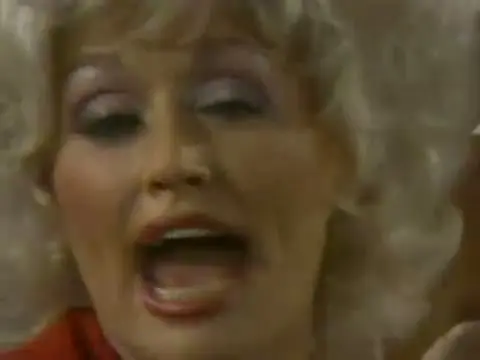
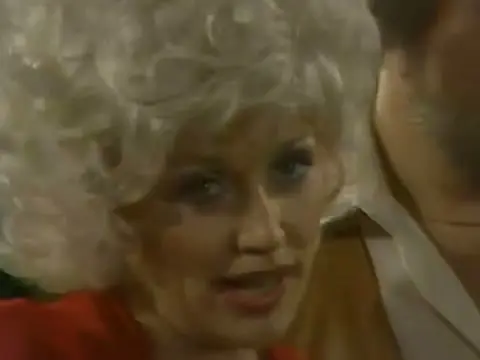
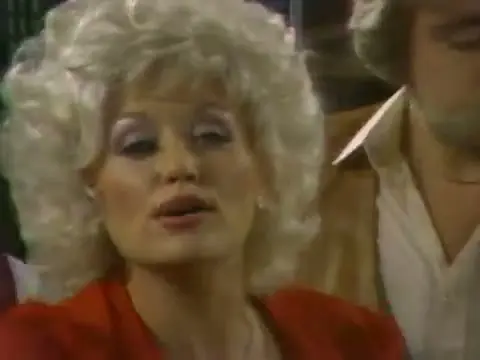
There is a rare, spine-chilling moment in music history where a superstar completely strips away her armor and lets the world see her bleed.
On January 10, 1988, country music legend Dolly Parton stood before a live audience to deliver a powerful and emotional rendition of her hit song, Jolene.
From the very first note, the atmosphere shifts from simple weekend entertainment to a heavy, shared confession of marital terror.
Dolly Parton pleads desperately in the iconic chorus of Jolene, capturing the raw vulnerability of begging another woman not to take her man.
Her raw vocals capture the pain of a woman fighting for her relationship, exposing a level of insecurity that feels almost too intimate to witness.
This is not a star performing a chart-topper; it is a desperate plea from a fractured heart.
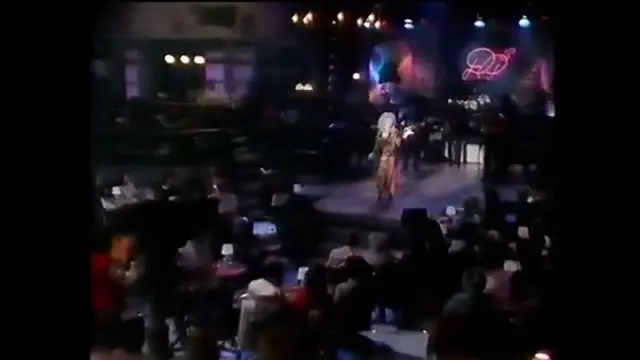
With every repetition of the name, her voice carries the weight of a woman who knows her happiness lies entirely in the hands of a rival.
The crowd is immediately transfixed by this display of pure, unadulterated desperation.
To understand the gravity of the moment, one must look at how Dolly Parton paints the portrait of the antagonist.
Dolly describes Jolene's beauty with famous lines about her auburn hair and ivory skin.
This vivid imagery creates a striking contrast between Dolly's insecurity and Jolene's perfection, keeping the audience hooked.
She explains how easily Jolene could steal her husband away with just a look, rendering Dolly's own lifetime of love completely useless.
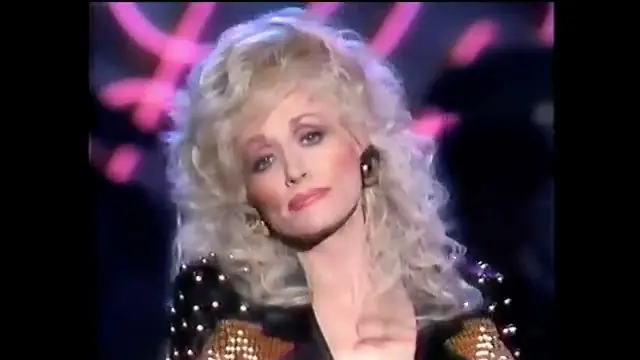
The description is not filled with anger, but with a terrifying awe of a beauty that Dolly feels she simply cannot compete against.
By elevating Jolene to this goddess-like status, the stakes of the song rise to an unbearable peak.
The listeners are forced to reckon with the sheer powerlessness of a woman watching her world crumble.
Then, the narrative shifts from external dread to the quiet, domestic horror of a haunted household.
Dolly confronts the reality of her husband talking about Jolene in his sleep.
This intimate, heart-shattering revelation makes the drama extremely personal and relatable, forcing viewers to stay tuned.
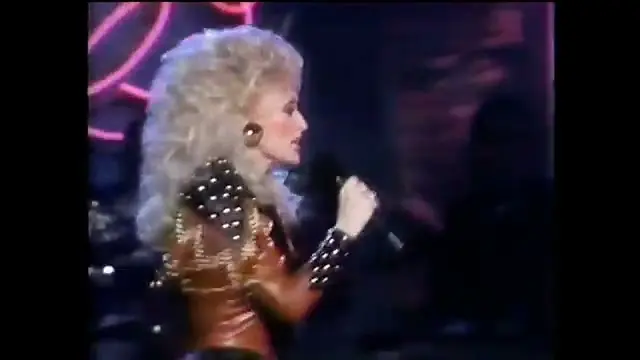
She sings about the ultimate betrayal of hearing her partner whisper another woman's name during sleep.
This heartbreaking moment highlights the constant presence of Jolene in their private life, invading the sanctuary of their bedroom.
It is the realization that the threat is no longer just outside the door, but already living inside her husband's mind.
The vulnerability required to share this specific, agonizing detail is what separates Dolly Parton from every other songwriter of her generation.
As the performance nears its climax, the desperation evolves into a final, logical argument for survival.
Dolly explains that Jolene could have any man she wants, but Dolly only has one.
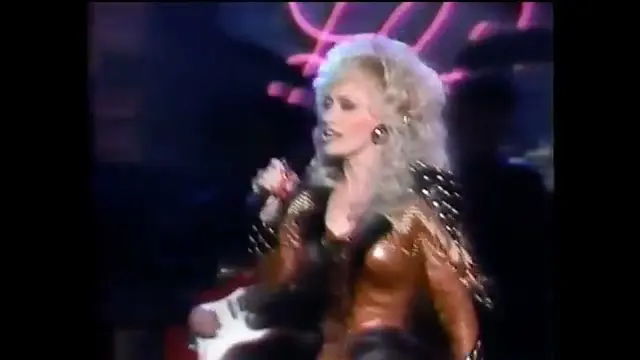
This desperate ultimate appeal highlights the high stakes of the situation, evoking deep empathy from the audience.
She delivers a stunning defense of her relationship, explaining that while Jolene has endless choices, Dolly has everything riding on this one love.
Her emotional delivery highlights the desperation of someone who is about to lose her entire world to a woman who might only see him as a passing whim.
It is a masterful plea that begs for mercy, challenging Jolene's conscience rather than her vanity.
When the final notes fade, the audience is left breathless by the sheer emotional exhaustion of the journey.
Decades later, this 1988 performance stands as a definitive monument to the enduring agony of love on the brink of collapse.
Watch full video here: